



How Long Does Professional Teeth Whitening Last?
Dr. Melody Khonsari
July 24, 2026
Many patients considering professional teeth whitening in Studio City want to know how long their brighter smile will remain. Professional whitening can produce noticeable results, but it does not permanently change the natural colour of teeth. The duration of whitening depends on your diet, oral hygiene, tobacco use, enamel condition, and exposure to staining foods or drinks. Coffee, tea, red wine, dark sauces, and smoking can gradually cause discolouration to return. Understanding these factors helps you form realistic expectations and maintain your results instead of feeling disappointed when normal staining develops again over time.
Professional treatment also differs from over-the-counter whitening because it begins with a dental evaluation. Your dentist can check for cavities, gum irritation, exposed roots, existing restorations, and the type of staining present. This matters because natural teeth respond differently from crowns, veneers, bonding, and tooth-coloured fillings. At One Dental Studio City, Dr. Melody Khonsari considers your oral health, sensitivity, and smile goals before discussing whitening options. This personalised approach can support safer treatment, more even results, and a maintenance plan suited to your everyday habits.
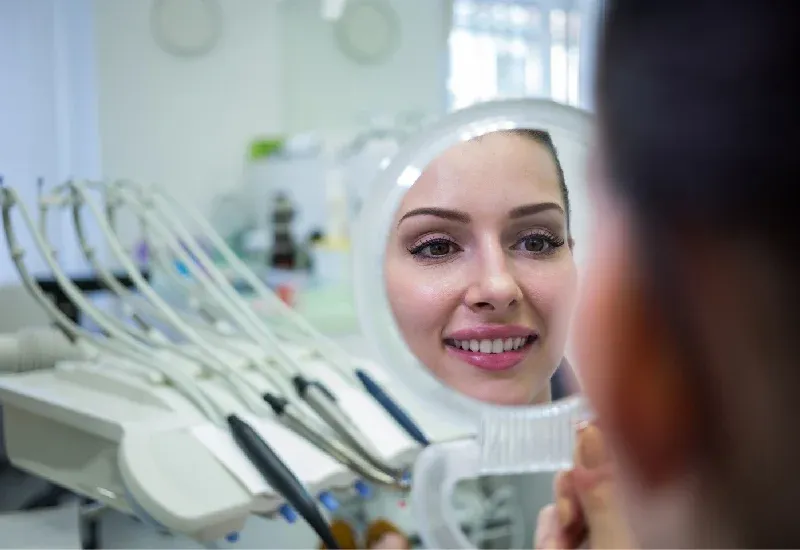
What Determines How Long Whitening Results Remain?
Professional whitening results may remain visible for several months and, with appropriate care, can last beyond a year. However, every smile responds differently, and the longevity of treatment can depend on individual habits, oral hygiene, and lifestyle choices. Patients considering teeth whitening in Studio City can help maintain their results by following good oral care practices and attending regular dental cleanings.
Teeth exposed frequently to dark beverages such as coffee, tea, red wine, or cola, as well as tobacco, may become stained sooner. In contrast, patients who maintain consistent home care, schedule routine cleanings, and practice mindful dietary habits may preserve their brighter shade for longer. A Dentist in Studio City can also provide personalized guidance on maintaining whitening results based on your oral health and lifestyle.
For patients interested in teeth whitening in Studio City, following professional aftercare recommendations can help extend the appearance of a brighter smile. Regular checkups with a trusted Dentist in Studio City can also help monitor oral health, address new staining, and determine when additional whitening care may be appropriate.
Everyday Habits That Affect Whitening Longevity
The longevity of whitening depends largely on what happens after treatment. Whitening agents break apart stain molecules within natural tooth structure, but teeth remain exposed to new pigments every day. Frequent sipping of coffee or tea can be more staining than occasional consumption because the enamel experiences repeated contact throughout the day.
Factors that commonly affect whitening longevity include:
- Frequent coffee, tea, cola, or red wine consumption.
- Smoking or other tobacco use.
- Dark sauces, berries, and strongly pigmented foods.
- Inconsistent brushing, flossing, or professional cleanings.
- Natural ageing and gradual enamel changes
Rinsing with water after dark drinks, maintaining regular dental care, and avoiding tobacco may help limit new surface stains. However, patients should not overuse whitening products in an attempt to maintain an unnaturally bright shade. A studio city dentist can advise when a carefully planned touch-up may be appropriate.
Why Whitening Results Differ Between Patients
Whitening does not create identical results for every patient because tooth colour and stain type vary. Yellow-toned discolouration often responds differently from grey or brown shades. Surface stains caused by food and beverages may improve more predictably than discolouration related to tooth injury, medication history, ageing, or changes deep within the tooth. A dental examination can help identify what type of staining is present and whether whitening is likely to meet your expectations.
Existing dental restorations are another important consideration. The American Dental Association explains that whitening works on natural teeth but does not lighten crowns, veneers, fillings, or other tooth-coloured restorations. If these restorations are visible when you smile, whitening natural teeth may create a noticeable shade difference. Your dentist can evaluate the overall smile and explain whether another cosmetic approach may provide a more balanced result.
Temporary sensitivity is also possible following whitening. Patients with gum recession, enamel wear, cavities, or existing sensitivity may need a modified approach. Dentist supervision allows the whitening strength, application time, and frequency to be adjusted rather than relying on a generic product. Professional guidance helps prioritise both appearance and oral health.
“Effective teeth-whitening procedures may provide positive results for more than one year with appropriate care, professional supervision, and realistic patient expectations.”
Professional Whitening Maintenance at a Glance
| Factor | Effect on Results | Helpful Approach |
|---|---|---|
| Coffee, tea, and wine | May cause stains to return sooner | Rinse with water after drinking |
| Tobacco use | Can quickly darken teeth | Avoid tobacco products |
| Oral hygiene | Influences plaque and surface staining | Brush, floss, and attend cleanings |
| Crowns or veneers | Will not change colour may refresh fading results | Discuss shade matching beforehand |
| Whitening touch-ups | May refresh fading results | Use only with dental guidance |
FAQ
Still have a Question? Contact Us
Results may remain visible for months or longer, depending on diet, tobacco exposure, oral hygiene, and personalised maintenance.
Conclusion
Professional whitening can provide a noticeably brighter smile, but the result naturally changes as teeth encounter new stains. Diet, tobacco use, oral hygiene, enamel condition, and existing restorations all influence longevity. Patients considering Studio City teeth whitening benefit from a dental examination, realistic expectations, and a personalised maintenance plan.
Contact your dentist in Studio City, Dr. Melody Khonsari at One Dental Studio City today to learn more about How Long Professional Teeth Whitening Lasts.
Resource:
Disclaimer
This media/content or any other on this website does not prescribe, recommend, or prevent any treatment or procedure. Therefore, we highly recommend that you get the advice of a qualified dentist or other medical practitioners regarding your specific dental condition.